Fat Tire E-Bikes vs Thin Tires: Which One Do You Actually Need?
Choosing between fat tire e-bikes vs thin tires is one of the most important decisions when buying an electric bike. Tire size directly affects comfort, handling, traction, speed, efficiency, and overall riding experience.
Some riders prefer fat tire e-bikes for their off-road capability and stability, while others choose thinner tires for speed, efficiency, and urban commuting. The best option depends on where and how you plan to ride.
In this guide, we’ll compare fat tire e-bikes and thin tire electric bikes to help you determine which one actually fits your needs.
What Is a Fat Tire E-Bike?
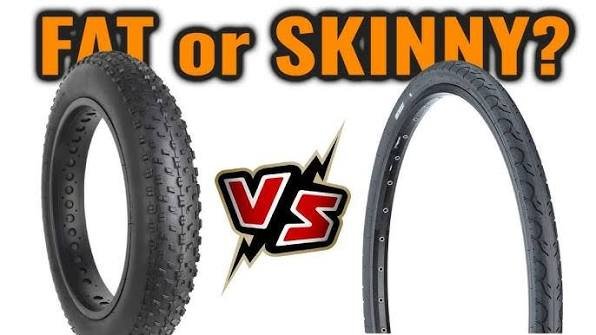
Fat tire e-bikes use oversized tires that are typically 4 inches wide or more.
These bikes are designed to provide:
- Maximum traction
- Better stability
- Improved comfort
- Superior off-road capability
Fat tires create a larger contact patch with the ground, making them ideal for challenging terrain.
What Is a Thin Tire E-Bike?
Thin tire electric bikes use narrower tires that are commonly found on:
- Commuter e-bikes
- Road e-bikes
- Hybrid electric bikes
- Performance-oriented models
These tires are optimized for:
- Efficiency
- Speed
- Lightweight handling
- Reduced rolling resistance
Comfort Comparison
Fat Tire E-Bikes
One of the biggest advantages of fat tire e-bikes is comfort.
The larger air volume helps absorb:
- Road vibrations
- Small bumps
- Gravel impacts
- Uneven terrain
Many riders describe fat tire bikes as providing a smoother ride even without advanced suspension systems.
Thin Tire E-Bikes
Thin tires offer a firmer riding experience.
While quality suspension can improve comfort, thinner tires generally transfer more road feedback to the rider.
Winner: Fat Tire E-Bikes
Speed and Efficiency
Thin Tires
Thin tires create less rolling resistance.
Benefits include:
- Higher efficiency
- Faster acceleration
- Better top speeds
- Improved battery range
This makes them ideal for commuting and paved-road riding.
Fat Tires
Fat tires require more energy to roll.
As a result:
- Range may decrease
- Acceleration may feel slower
- More battery power is consumed
Winner: Thin Tires
Off-Road Performance
When riding off-road, tire width becomes extremely important.
Fat Tire E-Bikes
Fat tires excel on:
- Sand
- Snow
- Dirt
- Mud
- Rocky trails
The increased traction helps riders maintain control in difficult conditions.
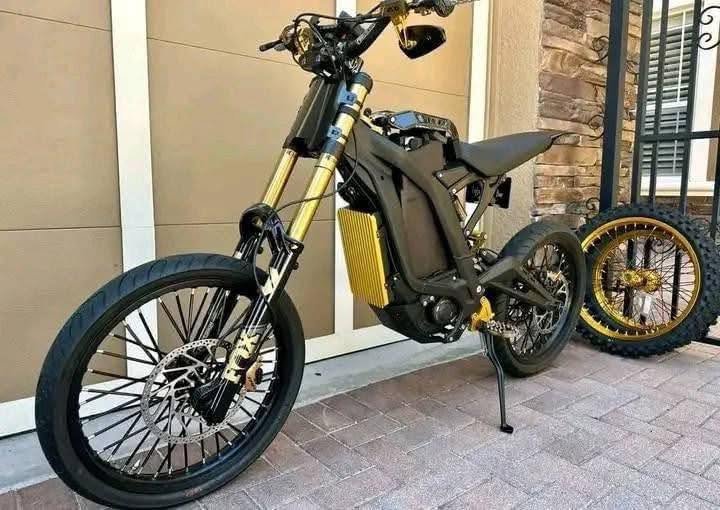
Many electric dirt bikes use wider tires specifically for this reason.
Explore electric bikes designed for off-road adventures
Thin Tire E-Bikes
Thin tires can handle light trails but struggle in loose terrain.
Riders may experience:
- Reduced grip
- Lower stability
- More wheel spin
Winner: Fat Tire E-Bikes
Battery Range
Many buyers overlook the effect tire size has on battery consumption.
Thin Tires
Because they roll more efficiently, thin tires often help maximize range.
Advantages include:
- Lower power consumption
- Longer rides
- Better efficiency
Fat Tires
The additional rolling resistance typically requires more battery power.
Winner: Thin Tires
Stability and Confidence
Fat Tire E-Bikes
Fat tires offer:
- Better balance
- Improved confidence
- More predictable handling
- Increased stability at lower speeds
This makes them popular among beginners.
Thin Tire E-Bikes
Thin tires feel more agile but can be less forgiving on rough surfaces.
Winner: Fat Tire E-Bikes
Urban Commuting
For city riders, efficiency often matters more than off-road capability.
Thin Tire E-Bikes
Ideal for:
- Bike lanes
- Pavement
- Daily commuting
- Long-distance city rides
Their lighter weight and efficiency make them excellent commuter options.
Fat Tire E-Bikes
They can certainly be used in urban environments but may feel heavier and consume more battery power.
Winner: Thin Tires
Which Tire Type Is Better for Electric Dirt Bikes?
Most electric dirt bikes use wider tires because they provide:
- Better traction
- Enhanced control
- Improved stability
Popular electric dirt bike brands often incorporate wider tire setups for off-road performance.
Browse premium electric dirt bikes:
Popular Fat Tire E-Bike Options
Many riders looking for versatility choose fat tire models from brands such as:
- Sur-Ron
- Talaria
- Segway
- Tuttio
Accessories for Every Tire Type
Regardless of your tire choice, quality accessories improve safety and convenience.
Popular upgrades include:
- Tire repair kits
- Portable pumps
- Phone mounts
- Storage bags
- Security locks
Fat Tire E-Bikes vs Thin Tires: Quick Comparison
Choose Fat Tire E-Bikes If You Want:
- Maximum comfort
- Off-road capability
- Better traction
- Improved stability
- Snow and sand performance
Choose Thin Tire E-Bikes If You Want:
- Higher efficiency
- Longer battery range
- Faster commuting
- Lightweight handling
- Better pavement performance
Why Buy From Coastline Ebike?
At Coastline Ebike, we offer a wide range of electric bikes designed for commuting, adventure riding, and off-road performance.
Browse our complete inventory
Learn more about our mission
Whether you’re looking for a Sur-Ron, Talaria, Segway, or Tuttio electric bike, we can help you find the perfect model for your riding style.
Final Verdict
When comparing fat tire e-bikes vs thin tires, neither option is universally better. The right choice depends on your riding environment and priorities.
If you primarily ride trails, dirt roads, sand, or rough terrain, fat tires provide superior comfort and control. If you focus on commuting, paved roads, and maximizing battery range, thinner tires are often the better solution.
Understanding your riding habits before purchasing will help ensure you choose an electric bike that delivers the performance and experience you expect.