Electric Scooter vs Public Transport: How Much Money Do You Actually Save?
If you’re comparing an electric scooter vs public transport, you’re probably looking for the most affordable way to commute. Rising fuel prices, increasing transit fares, and growing interest in electric mobility have led many people to ask a simple question: how much money can an electric scooter actually save?
The answer depends on your commuting distance, local transportation costs, and riding habits. However, for many riders, electric scooters can significantly reduce daily transportation expenses while providing greater flexibility and convenience.
In this guide, we’ll break down the real costs of electric scooters versus public transportation and help you determine which option offers the best value.
Understanding the Cost of Public Transport
Public transportation is often viewed as one of the most affordable commuting options. Depending on your city, this may include:
- Buses
- Trains
- Subways
- Trams
- Shared transit systems
While individual fares may seem inexpensive, the costs add up over time.
Monthly Public Transport Costs
Many commuters spend money on:
- Daily tickets
- Weekly passes
- Monthly subscriptions
- Parking near transit stations
- Additional rideshare services
Over a year, public transportation expenses can become a substantial part of a commuter’s budget.
Understanding Electric Scooter Costs
An electric scooter requires a higher upfront investment but generally has lower ongoing expenses.
Typical costs include:
- Initial purchase price
- Electricity for charging
- Tire replacement
- Brake maintenance
- Occasional repairs
Unlike public transport, there are usually no daily fares once you own the scooter.
Electricity Costs Are Surprisingly Low
One of the biggest advantages of electric scooters is charging cost.
Most electric scooters use relatively small lithium-ion batteries that consume very little electricity.
Charging costs are often only a few cents per charge depending on local electricity rates.
Benefits include:
- Predictable expenses
- No fuel costs
- Minimal energy consumption
- Reduced commuting costs
This is one reason electric mobility continues to grow worldwide.
Learn more about electric transportation..click here
Comparing Annual Costs
Public Transport
Typical annual expenses may include:
- Transit passes
- Ticket purchases
- Station parking
- Supplemental transportation
The total can easily reach hundreds or even thousands of dollars per year depending on commuting frequency.
Electric Scooter
Annual ownership costs often include:
- Charging
- Tires
- Brake pads
- Routine maintenance
For many riders, these expenses remain substantially lower than ongoing transit fares.
Convenience Comparison
Cost is only one factor when choosing between an electric scooter and public transportation.
Public Transport Advantages
- No vehicle maintenance
- No battery charging
- No storage requirements
- Suitable for long-distance commuting
Public Transport Disadvantages
- Fixed schedules
- Crowded vehicles
- Delays
- Limited route flexibility
Electric Scooter Advantages
Electric scooters offer:
- Door-to-door transportation
- Flexible travel times
- No waiting for buses or trains
- Lower long-term operating costs
- Easy parking
Many commuters value the freedom and time savings as much as the financial benefits.
Time Savings Matter Too
Although difficult to quantify, time savings can be significant.
Electric scooter riders often avoid:
- Waiting at stations
- Transfer delays
- Traffic congestion
- Crowded transit systems
For shorter urban commutes, scooters can sometimes be faster than traditional public transportation.
Environmental Impact
Both electric scooters and public transportation are generally more environmentally friendly than driving a personal gasoline vehicle.
Electric scooters offer:
- Zero tailpipe emissions
- Low energy consumption
- Reduced traffic congestion
Public transportation remains highly efficient when serving large numbers of passengers.
For environmentally conscious commuters, both options are strong alternatives to car ownership.
Who Should Choose an Electric Scooter?
An electric scooter may be ideal if you:
- Travel short to medium distances
- Want flexible transportation
- Prefer avoiding transit schedules
- Need a low-cost commuting option
- Have access to charging
Who Should Choose Public Transport?
Public transportation may be better if you:
- Travel long distances daily
- Lack secure scooter storage
- Need all-weather transportation
- Have reliable transit access
Combining Both Options
Many commuters use a hybrid approach.
Examples include:
- Scooter to train station
- Scooter to bus terminal
- Scooter for short trips and transit for long journeys
This strategy often maximizes convenience while minimizing transportation costs.
Electric Mobility Is Growing Rapidly
As battery technology improves, electric mobility continues expanding into new markets.
Electric transportation options now include:
- Electric scooters
- Electric bikes
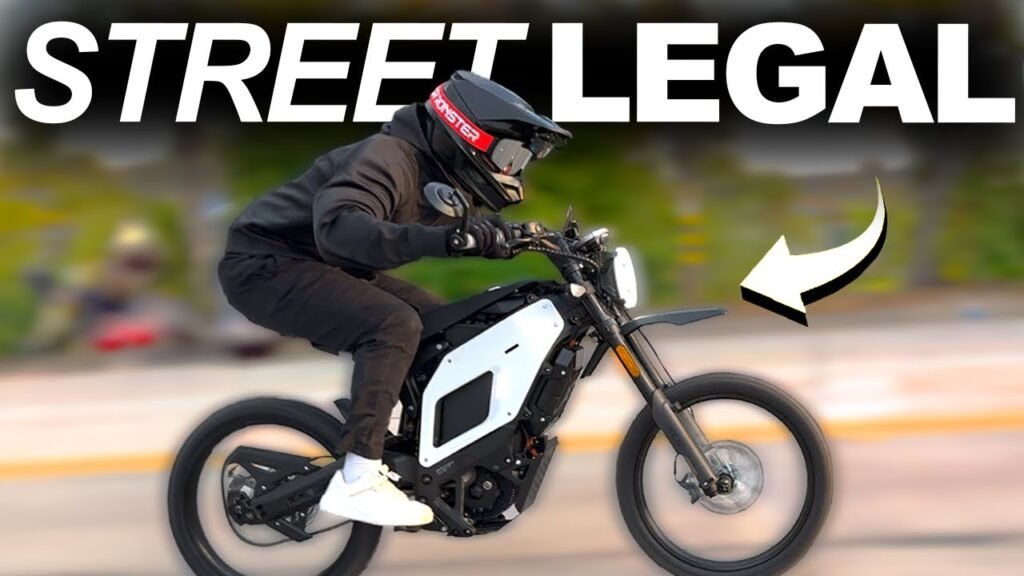
- Electric dirt bikes
- Electric motorcycles
Browse electric mobility products
Essential Accessories for Commuters
Whether using a scooter or e-bike, accessories can improve safety and convenience.
Popular options include:
- Helmets
- Phone mounts
- Storage bags
- Security locks
- Lighting upgrades
Browse accessories
Why Choose Coastline Ebike?
At Coastline Ebike, we help riders find high-quality electric mobility solutions designed for performance, reliability, and affordability.
Explore our collections:
Learn more about our company: about
Final Verdict
When comparing electric scooter vs public transport, electric scooters often provide significant long-term savings for short and medium-distance commuters. While public transportation remains affordable and practical for many people, owning an electric scooter eliminates recurring fares and offers greater flexibility.
For commuters looking to reduce transportation costs, save time, and enjoy more freedom, an electric scooter can be one of the smartest mobility investments available today.