How Do Electric Bikes Work? The Technology Behind Modern Electric Bikes
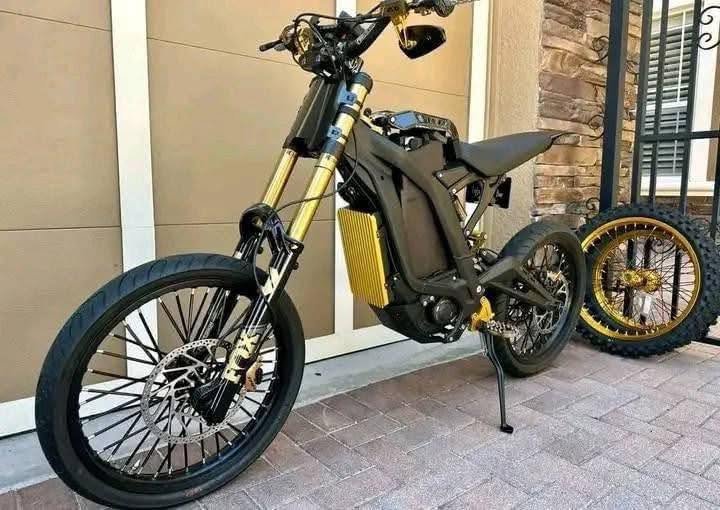
How Do Electric Bikes Work? It’s one of the first questions many buyers ask before investing in a high-performance electric bike. While electric bikes may look similar to traditional motorcycles or dirt bikes, the technology powering them is entirely different.
Modern electric bikes use advanced battery systems, powerful electric motors, intelligent controllers, and sophisticated software to deliver instant acceleration, impressive torque, and exceptional riding efficiency. Brands such as Sur Ron, Talaria, Segway, and other leading manufacturers continue to push electric mobility technology forward each year.
Understanding how electric bikes work can help riders choose the right model and appreciate the engineering behind today’s most capable electric machines.
The Main Components of an Electric Bike
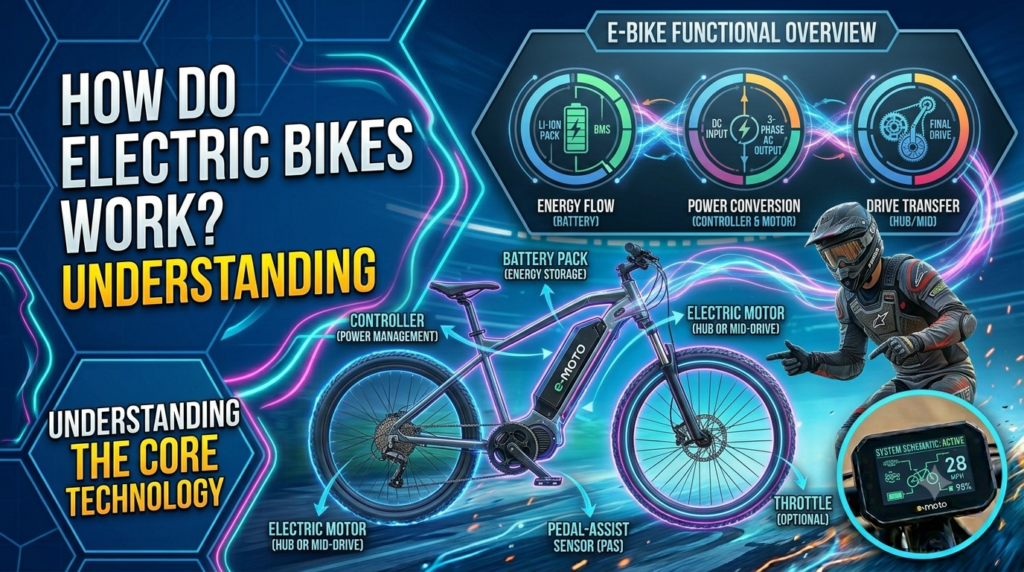
Every electric bike relies on several key components working together.
These include:
- Battery
- Electric motor
- Controller
- Throttle
- Display system
- Drive system
Each part plays a critical role in overall performance.
The Battery: The Heart of an Electric Bike
The battery stores electrical energy and supplies power to the motor.
Most modern electric bikes use advanced lithium-ion battery technology because it offers:
- High energy density
- Faster charging
- Longer lifespan
- Reduced weight
Recent battery developments have significantly increased both range and reliability across the industry.
A larger battery generally provides:
- More riding time
- Greater range
- Improved sustained performance
The Electric Motor: Instant Power Delivery
The motor converts electrical energy into mechanical power.
Unlike petrol engines, electric motors deliver maximum torque almost instantly.
Benefits include:
- Rapid acceleration
- Smooth power delivery
- Excellent hill-climbing ability
- Reduced mechanical complexity
This instant torque is one of the reasons electric dirt bikes have become so popular among off-road riders.
The Controller: The Bike’s Brain
The controller manages communication between the battery and motor.
It determines:
- Power output
- Acceleration response
- Riding modes
- Safety limits
Modern controllers constantly monitor system performance and optimise efficiency during operation.
Advanced controllers are becoming one of the biggest innovations in electric bike technology heading into 2026.
How the Throttle Works
Most performance-focused electric bikes use a throttle system.
When the rider twists the throttle:
- A signal is sent to the controller.
- The controller requests power from the battery.
- The battery supplies electricity to the motor.
- The motor drives the rear wheel.
This entire process occurs almost instantly.
The result is smooth and responsive acceleration.
The Drive System
The drive system transfers power from the motor to the rear wheel.
Depending on the design, this may involve:
- Chain drive systems
- Belt drive systems
- Direct drive systems
Chain-driven electric dirt bikes remain the most popular option due to their durability and performance.
How Regenerative Braking Works
Some electric bikes feature regenerative braking technology.
This system allows the motor to recover a small amount of energy during deceleration.
Potential benefits include:
- Improved efficiency
- Reduced brake wear
- Slightly extended range
However, regenerative braking effectiveness varies between manufacturers and models.
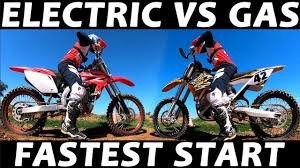
Why Electric Bikes Feel So Fast
Many first-time riders are surprised by how quickly electric bikes accelerate.
The reason is simple:
Electric motors produce peak torque almost immediately.
Unlike traditional petrol engines that require increasing engine speed to generate maximum power, electric motors respond instantly.
This creates:
- Strong acceleration
- Immediate throttle response
- Smooth power delivery
For many riders, this is one of the biggest advantages of electric mobility.
How Sur Ron and Talaria Electric Bikes Work
High-performance brands such as Sur Ron and Talaria use advanced versions of the same core technology.
Popular features include:
High-Capacity Lithium Batteries
Designed to provide strong power delivery and extended riding sessions.
High-Output Motors
Deliver impressive torque for:
- Trail riding
- Hill climbing
- Technical terrain
Intelligent Controllers
Allow riders to select different performance modes depending on riding conditions.
Explore our Sur Ron collection
Discover Talaria models
Latest Electric Bike Technology in 2026
The biggest advancements currently shaping the market include:
Smarter Battery Management
Improves:
- Battery lifespan
- Charging efficiency
- Thermal protection
Faster Charging Systems
Reducing downtime between rides.
More Efficient Motors
Providing greater performance while consuming less energy.
Advanced Ride Modes
Allowing riders to customise:
- Power delivery
- Throttle response
- Battery usage
Manufacturers are increasingly focusing on intelligent energy management rather than simply increasing power output.
Common Myths About Electric Bikes
Myth: Electric Bikes Are Slow
Modern electric dirt bikes can deliver performance levels that rival many traditional off-road motorcycles.
Myth: Batteries Wear Out Quickly
Modern lithium batteries are designed for years of regular use when properly maintained.
Myth: Electric Bikes Require Constant Charging
Many models offer substantial range and can easily support typical riding sessions.
Why More Riders Are Switching to Electric
Electric bikes continue gaining popularity because they offer:
- Instant torque
- Lower maintenance
- Reduced operating costs
- Quiet riding
- Advanced technology
For many riders, they represent the future of personal mobility.
Final Thoughts
How Do Electric Bikes Work? Modern electric bikes combine advanced lithium batteries, powerful electric motors, intelligent controllers, and sophisticated electronics to deliver a fast, efficient, and exciting riding experience.
Whether you’re considering a Sur Ron, Talaria, or another high-performance model, understanding the technology behind electric bikes makes it easier to appreciate why they continue to dominate the future of off-road and recreational riding.